
Date:2026.02.04

People who enjoy having a light drink from time to time usually keep some wine at home.
As is well known, wine is extremely delicate and cannot be exposed to cold, freezing or heat. Currently, it's the coldest time of the year. How to properly store the wine at home has been causing many wine enthusiasts a lot of trouble.
If you want to ensure that your wine can survive the winter safely, please remember the following 6 professional wine storage tips!
When storing wine in winter, the problems encountered vary depending on the region and climate.
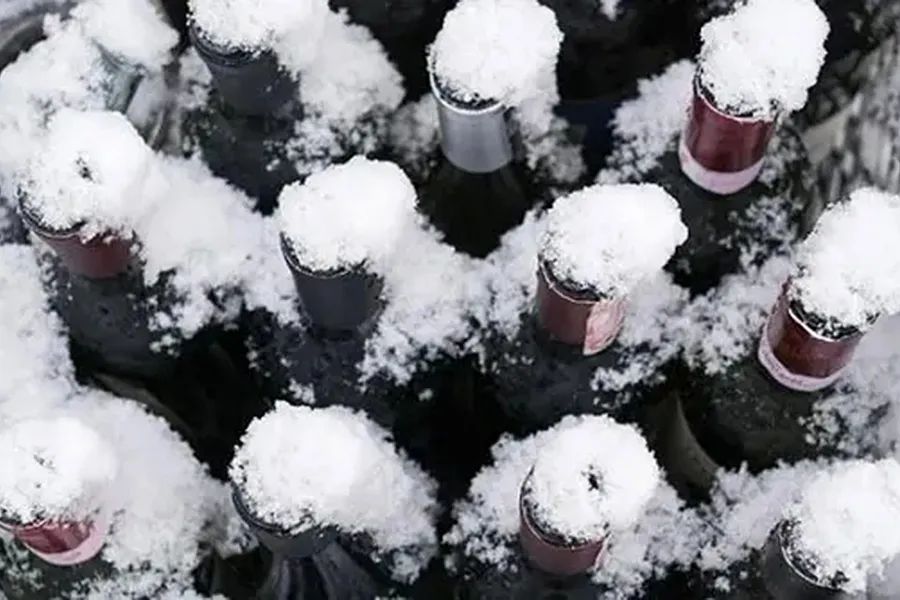
In the northern part of our country, the temperature in winter remains below 0℃ for a long time. The freezing point of wine is minus 6℃. Wine stored outdoors is prone to freezing and may even cause the cork to burst.
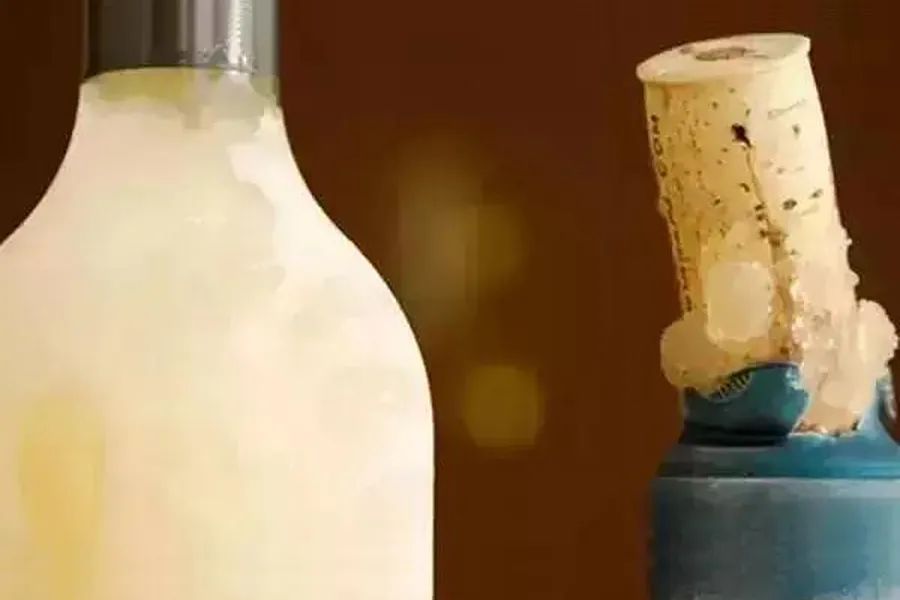
After the cork is removed, the wine comes into contact with the incoming air, causing oxidation and significantly reducing the wine's flavor.
In addition, when the temperature reaches the freezing point of the wine, some substances such as tartaric acid and tannins will aggregate and precipitate as crystals. Although these "crystals" do not affect the flavor of the wine, they do have an impact on the taste. Moreover, presenting them to guests is not very elegant.
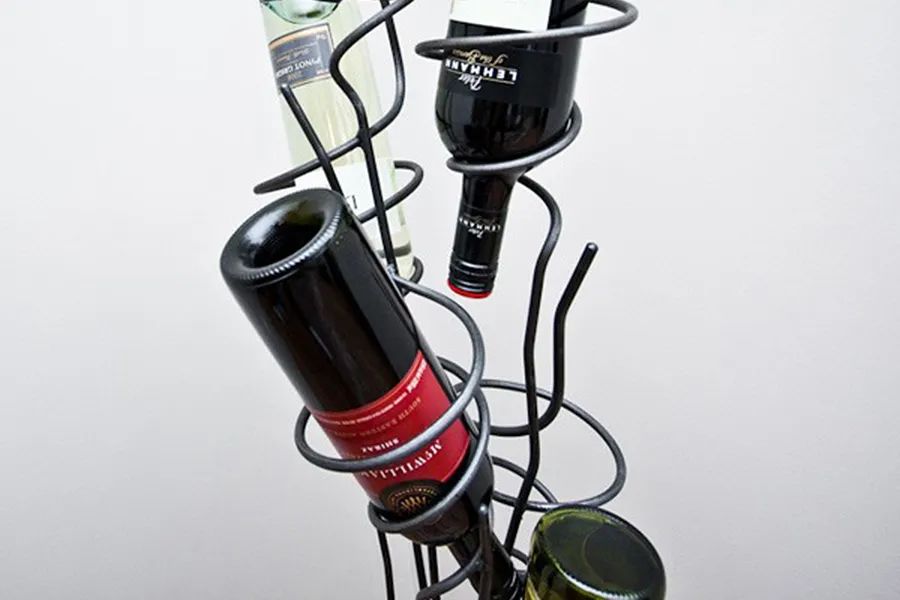
For the northern winter, heating and geothermal energy can be regarded as indispensable tools for overwintering. However, for wine, both of them are potential "invisible killers".
The optimal storage temperature for wine is around 10 to 15 degrees Celsius. But after the northern region is heated, the indoor temperature can reach above 20 degrees Celsius, which is somewhat too high for red wine.
Make sure to keep away from heat sources, especially do not place the wine near the radiator. In an environment with a temperature exceeding 30℃, due to thermal expansion and contraction, "bulging caps" will occur, damaging the quality of the wine. After two days, the fruity aroma in the wine will be completely replaced by the cooked vegetable and soy sauce flavors, making it no longer worth drinking.
However, if the home uses geothermal heating, the indoor air becomes dry, which can cause the cork to crack. In such cases, the bottle can be placed upside down at a 45-degree angle to allow the wine to fully contact the cork, maintaining its moisture content and preventing cracking.
Most areas in the south of our country have a subtropical monsoon climate. During winter, the temperature rarely drops below 0℃. However, the humid air has a strong penetrating power and can penetrate through clothes and reach the skin. Even if the temperature is not low, the actual perceived temperature is definitely not high, which is enough to make people shiver.
If the temperature is around 10℃, it is already quite suitable for storing wine. Just slightly raise the temperature before drinking to reach a suitable tasting temperature, and this will not affect the drinking experience.

Many of the wine friends who live in the south use air conditioners to keep their houses warm. The indoor temperature fluctuates with the operation of the air conditioner. If the wine is left exposed in an air-conditioned room, the cork is likely to leak due to thermal expansion and contraction, thereby affecting the quality of the wine.
Putting the wine in a storage room without air conditioning, or in the refrigerator's chilled compartment, is much safer than keeping it in an air-conditioned room.
In addition, there is a significant temperature difference between day and night, so it is necessary to pay attention to the impact of sudden temperature changes. If the wine undergoes severe thermal expansion and contraction, it is likely to cause the cork to break. Frequent and drastic temperature fluctuations pose a major threat to the airtightness of the cork.
When drinking in winter, it is best to have wine. And wine, of course, requires meticulous care.
The appropriate storage environment is crucial for maintaining the quality of the wine, especially for those with high preservation value. Don't let improper storage cause the wine to lose its flavor.
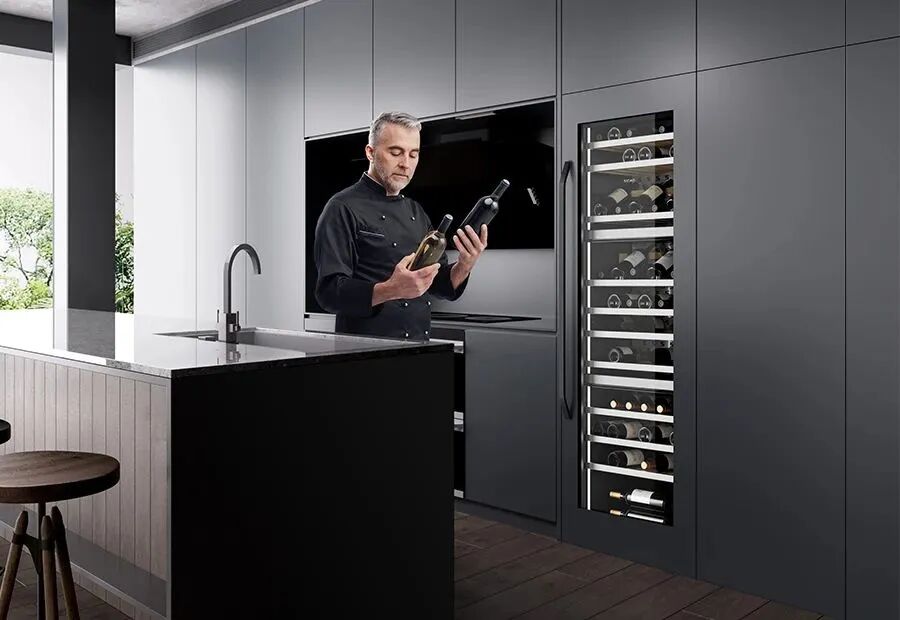
Wine is so sensitive to the environment that it cannot tolerate any negligence. If you want to save yourself the trouble, it is recommended to purchase a professional wine cabinet to protect your fine wines and enjoy a worry-free winter.





Add:12/F, Guowei E-Commerce Bld Guowei Road Luohu District Shenzhen China.
E-Mail:sales@cnsicao.com